1. Inicio
  2. Recursos
  3. Artículos
  4. Why Companies' Attempts to Close the Gender Pay Gap Often Fail
The image with the article on the HBR page.

Why Companies' Attempts to Close the Gender Pay Gap Often Fail

PayAnalytics co-founders David Anderson and Margrét V. Bjarnadóttir wrote an article together with Cristian Dezso and David Gaddis Ross for Harvard Business Review about closing the gender pay gap.

Gender pay equity has become a big point of contention at many companies. Not only have politicians and other public figures spoken out against the gender pay gap, but there has also been a rising tide of high profile lawsuits targeting major employers, most notably in the U.S., with all the bad publicity and financial liability they entail.

Read the article

Mantente al día

En PayAnalytics escribimos artículos y guías detallados sobre todo lo relacionado con la igualdad salarial, la DEI y el análisis del personal. Visita nuestra página de recursos para obtener una panorámica completa. En nuestra sala de prensa encontrarás las últimas noticias sobre la empresa y contenidos relacionados.

Italy: Pay equity and transparency requirements and EU Directive transposition activity

View of an Italian flag over the city of Rome.

In 2021, Italy introduced robust pay equity reporting requirements for many employers. While it’s likely that the nation will build on this system to transpose the EU Pay Transparency Directive, specific legislation has yet to emerge. This article covers the existing reporting requirements and transposition activity to date.

Get all the details

EU Pay Transparency Directive transposition activity in the Netherlands

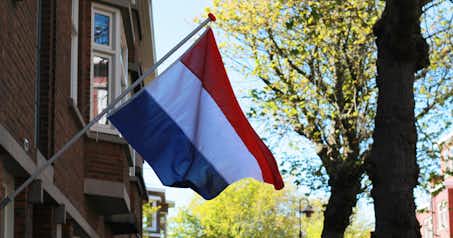
Flag of The Netherlands.

In 2025, the Netherlands introduced draft legislation that would fully transpose the EU Pay Transparency Directive by amending existing laws. This article examines what those changes would involve and the timeline for implementation.

Seguir leyendo

Lithuania – Current Laws and EU Pay Transparency Directive Transposition

Lithuanian flag with a mountain background.

To partially transpose the EU Pay Transparency Directive, Lithuania is building on the foundation of its existing Labour Code. We take a look at both the established laws and the draft legislation, which is set to take effect in 2026.

More about Lithuania's transposition activity