1. Home
  2. Newsroom
  3. The Guardian wrote about how Iceland got tough on gender pay gap
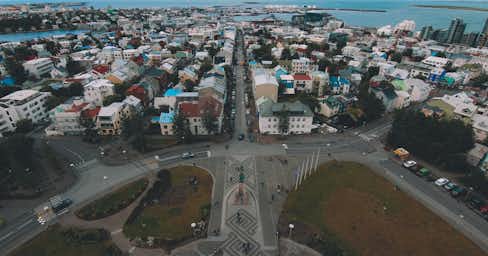
Picture of Reykjavik by @TimTrad
The city of Reykjavik

The Guardian wrote about how Iceland got tough on gender pay gap

Jon Henley, Guardian's Europe correspondent takes a look at how the Icelandic legislation has changed to combat the gender pay gap. One of the people cited in the article is the CEO of Reykjavik Energy. Reykjavik Energy has used PayAnalytics' software in their efforts to close the pay gap. We are proud to be part of their gender lens.
Full article on theguardian.com

Latest updates

At PayAnalytics we write in-depth articles and guides on all things pay equity, DEI, and workforce analytics. Visit our resources page for the full overview. In our newsroom you can find the latest news on the company and related content.

Italy: Pay equity and transparency requirements and EU Directive transposition activity

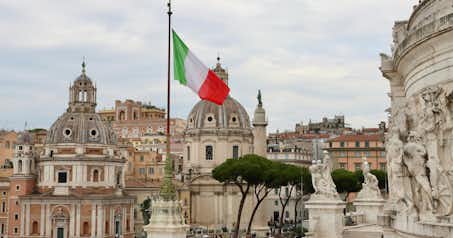
View of an Italian flag over the city of Rome.

In 2021, Italy introduced robust pay equity reporting requirements for many employers. While it’s likely that the nation will build on this system to transpose the EU Pay Transparency Directive, specific legislation has yet to emerge. This article covers the existing reporting requirements and transposition activity to date.

Get all the details

Workers’ Councils: How PayAnalytics by beqom Helps to Secure Employee Rights

Three women and a man in a conference room in the middle of a work meeting.

Discover how PayAnalytics by beqom empowers HR and workers' councils to simplify EU Pay Transparency compliance, conduct objective pay assessments, and drive true pay equity.

Read the full article

Slovakia takes action on EU Pay Transparency Directive

Flag of Slovakia on a street facade.

On September 19th, 2025, Slovakia introduced draft legislation to transpose the EU Pay Transparency Directive. This legislation would introduce a new law about pay transparency, as well as amending several pieces of existing legislation. The proposed changes closely track the requirements spelled out in the EU Directive and would take effect on June 1st, 2026.

Learn more about Slovakia's approach